PMO Portfolio · 2026

From Design Systems
to Enterprise Decision Systems

I connect cross-functional priorities and resources,milestones, risks, and performance metricsinto an operating system teams can execute.

Kwantae KimPortfolio Governance · Executive Reporting · Cross-functional Delivery · AI Transformation

Introduction

I started with design and expanded into how organizations decide and deliver.

At SurveyMonkey, I led design-system and platform initiatives while connecting engineering and marketing. At UN7QI3, I moved from design and creative leadership into managing FORCETELLER's project portfolio and business operations.

My scope has grown beyond interfaces. I structure priorities, owners, timelines, dependencies, risks, and performance metrics, then translate executive decisions into coordinated execution.

  1. 2012—2013UX/UI Designer

    Designed and implemented digital experiences.

  2. 2013—2021Lead Visual UX Designer · SurveyMonkey

    Led platform design systems and cross-functional launches. In 2021, the MRX product portfolio accounted for 28% of company-wide revenue.

  3. 2021—NowDesign → Creative → Product Business Lead

    Own an operating portfolio connecting teams, projects, and business metrics.

Collect business signalsmap project dependenciesstructure decisionstranslate them into execution.

Governance & Executive Reporting

Turned distributed projects into an executive decision system

I integrated traffic, revenue, retention, partnerships, and project status into one weekly operating rhythm. Reporting was designed to drive priorities and resource decisions—not simply share status.
Annual main initiatives
2–5

Confirmed from the CEO’s annual direction

Top-priority initiatives
1–2

Priorities most critical to the year

Resource focus
Up to 80%

Business-unit capacity on top priorities

Decision rights
3 tiers

Approval and operating authority by impact

01

Executive View

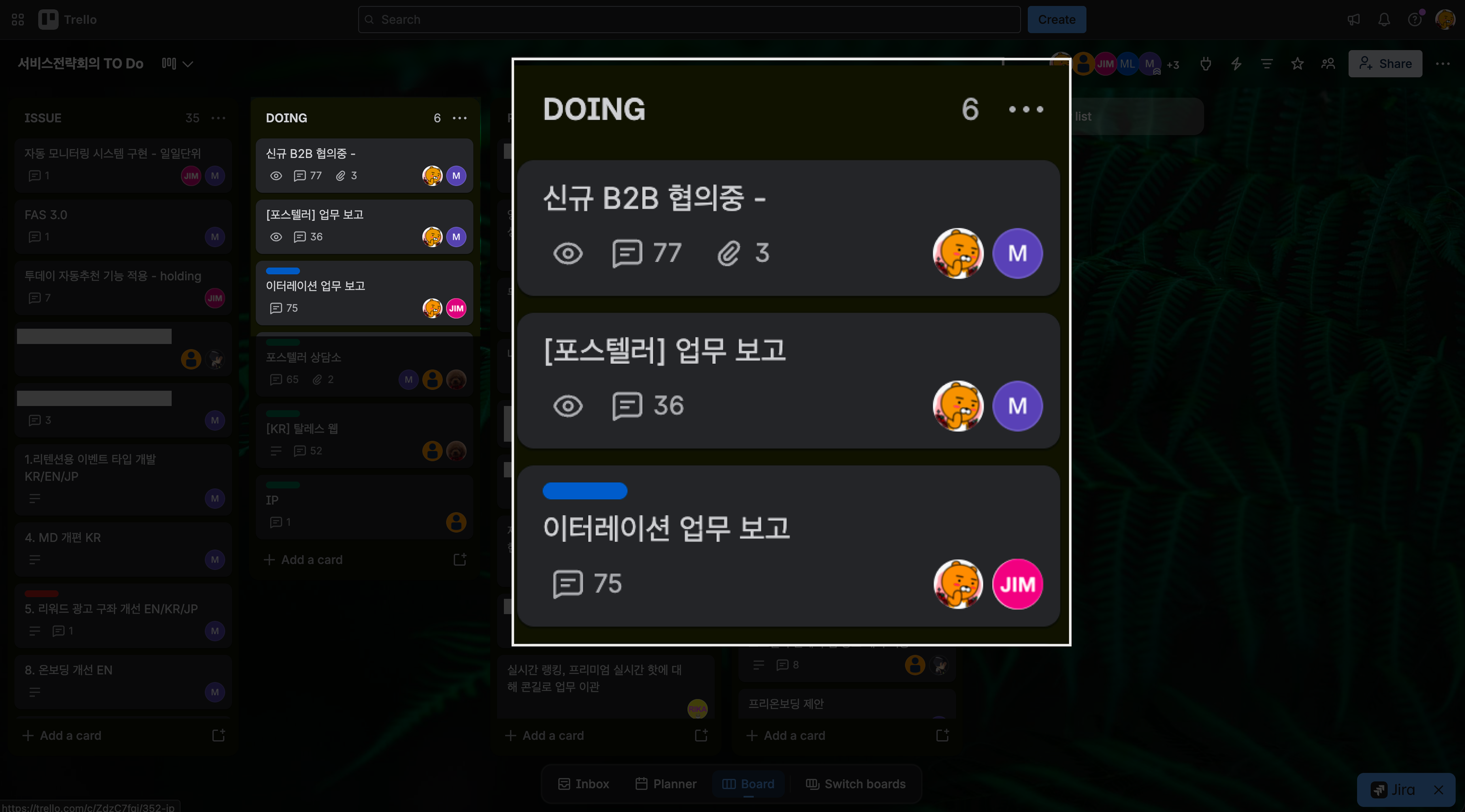
Reframed weekly reporting around the decisions leaders needed to make.

Instead of forwarding every departmental metric and task update, I compressed the picture around executive priorities and the decisions required that week.

Business metrics and project status were reviewed together so changes in performance could be connected to specific execution choices.
02

Portfolio Visibility

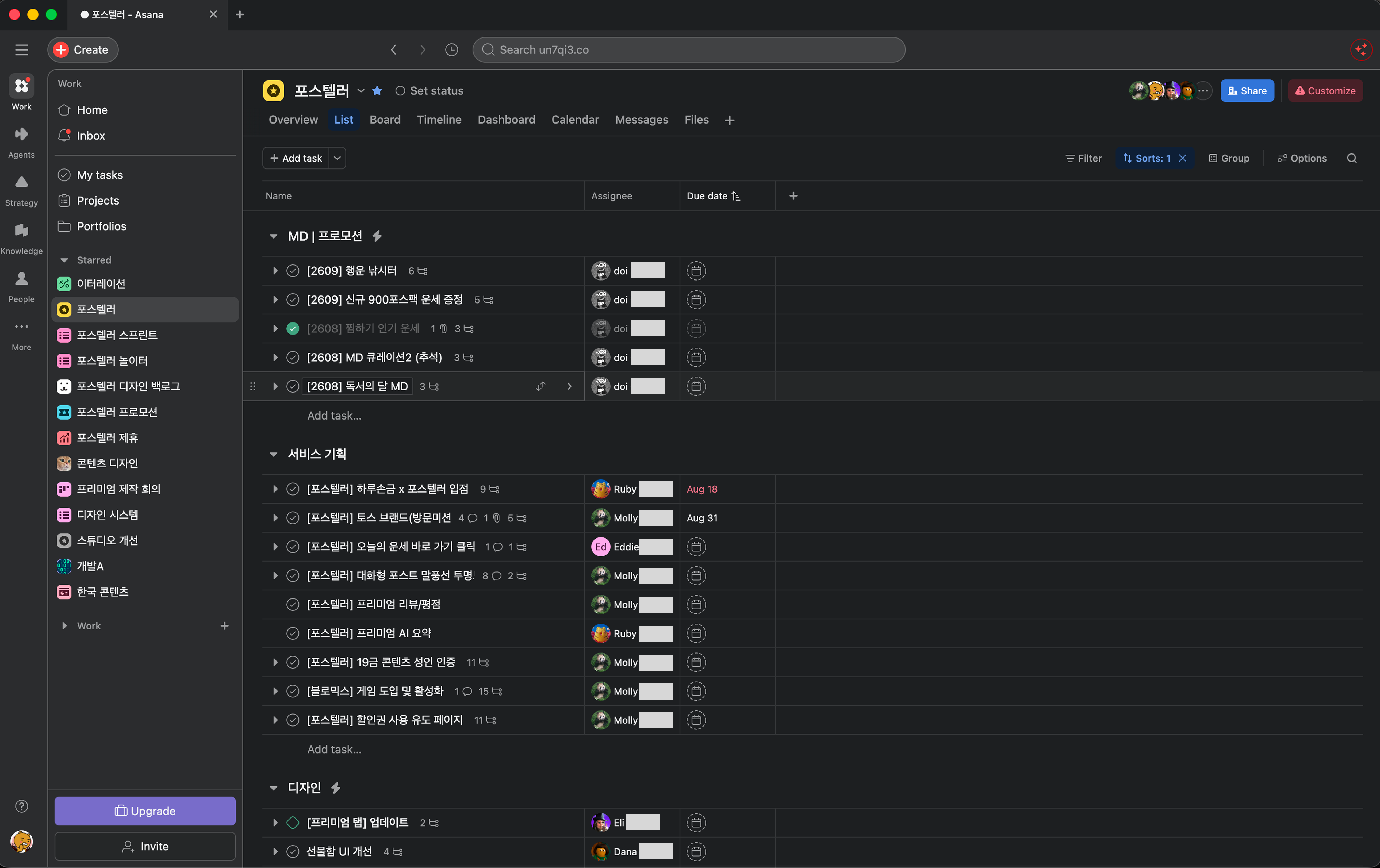
Made the full portfolio and sprint plan visible in one place.

When engineering, design, and marketing resources were shared across projects, isolated schedules could not prevent conflicts.

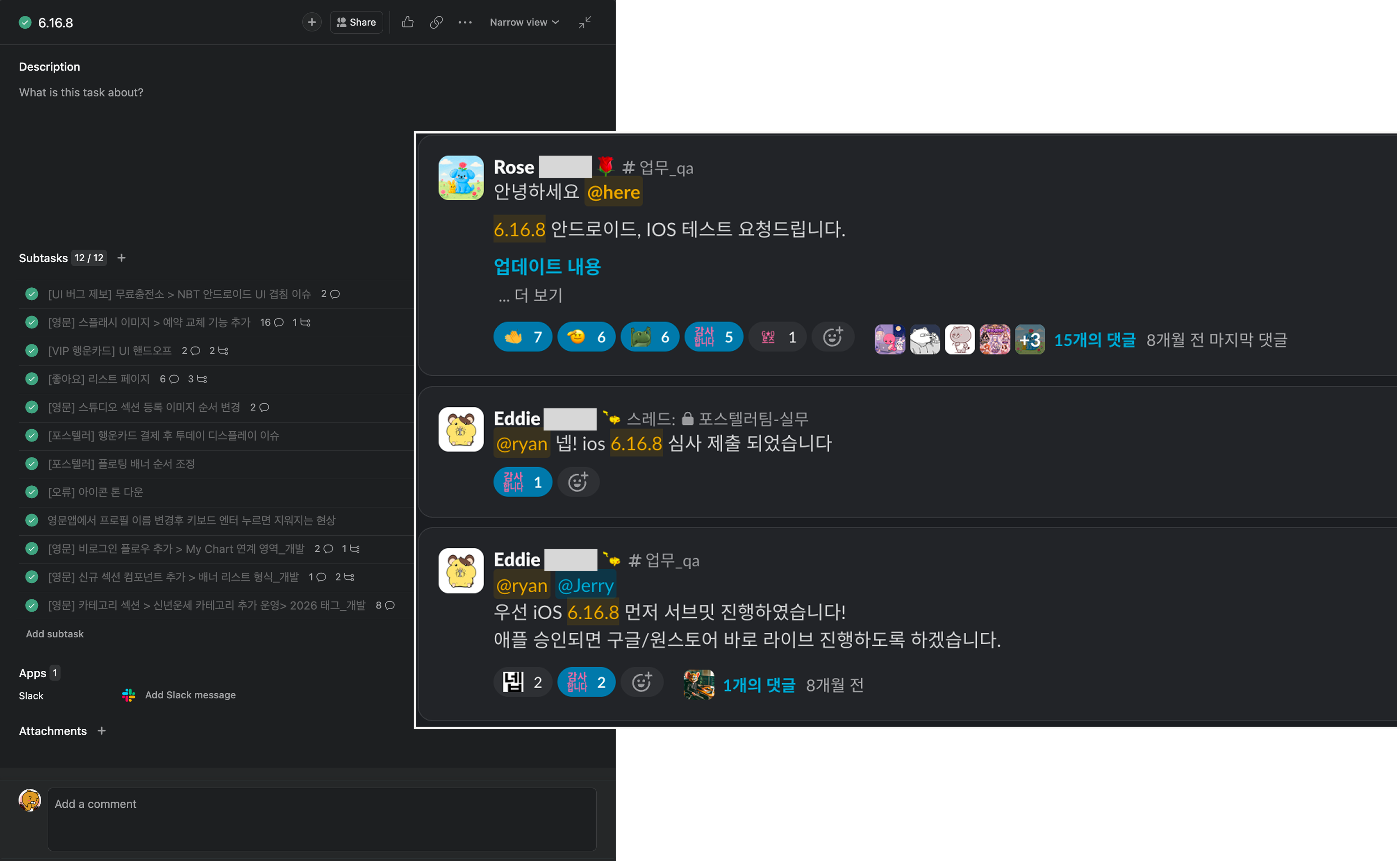
Asana project portfolios and sprint dashboards brought the full project and iteration views together. I coordinated priorities, resources, status, next milestones, cross-team dependencies, and app-review timelines while surfacing delays and risks early.
03

Decision Governance

Clarified who decides what before asking teams to collaborate better.

I introduced DACI to distinguish execution ownership, final approval, expert contribution, and information sharing. The model helped the right person decide at the right time without expanding every meeting.

  • Driver owns the execution plan and next action
  • Approver confirms the final decision and priority
  • Contributors provide expertise and surface risk
  • Informed stakeholders receive decisions and changes
04

Operating Loop

A report was the start of the next execution cycle, not the end of a document.

Weekly decisions flowed into iteration plans and team-level execution. Two- and four-week reviews separated observed change from validated hypotheses and informed what to scale, revise, or stop.

The output of PMO is not a report. It is an operating rhythm where better decisions can repeat.
Cross-functional Program Leadership

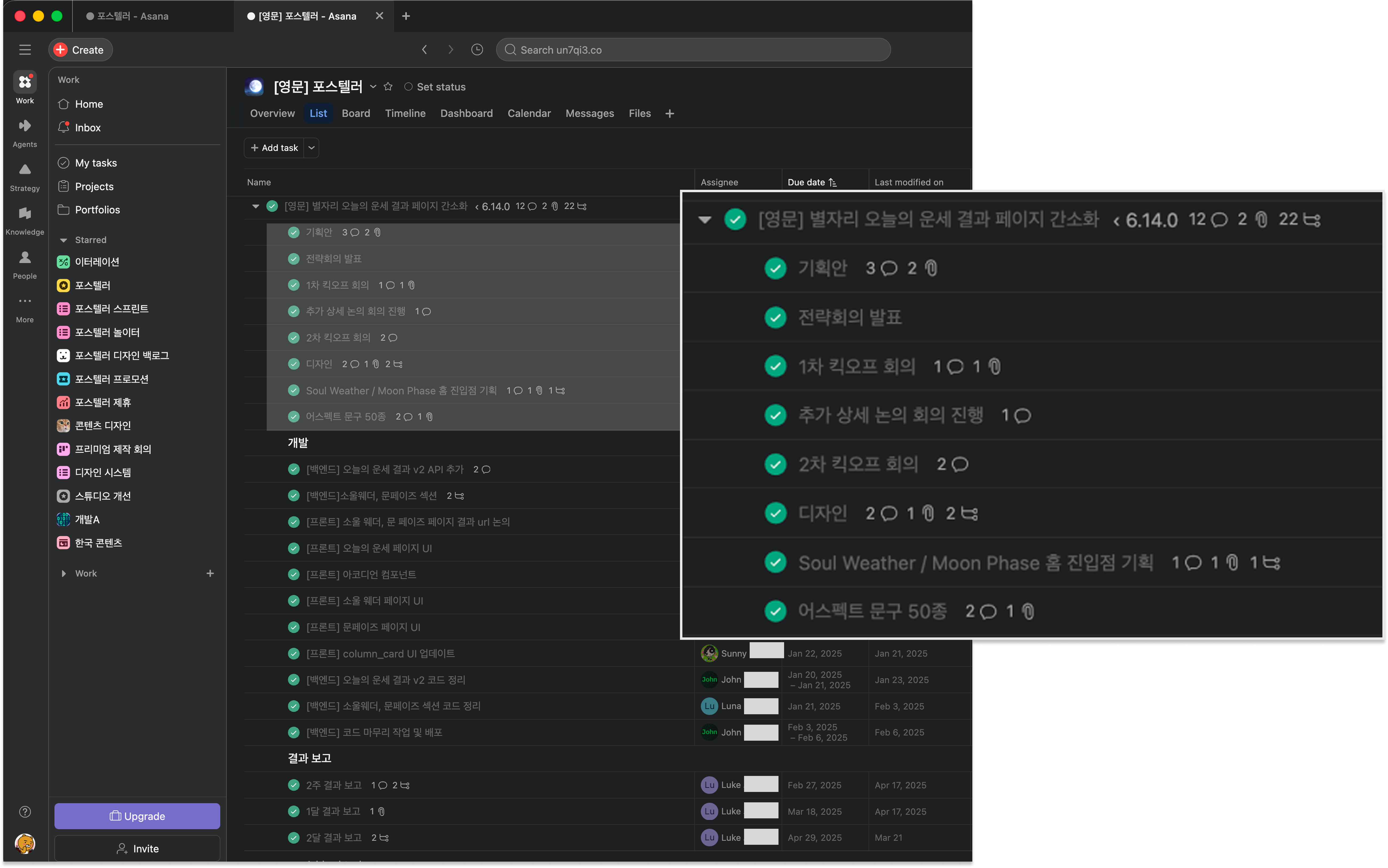
Led the English service as one program across multiple functions

On the largest cross-functional initiative, I aligned content, localization, design, engineering, and marketing around shared milestones while coordinating decisions between executives and team leads.
Cross-functional team
5 functions

Content, localization, design, engineering, marketing

Representative program
English service

Largest cross-functional initiative

Delivery standard
Milestones

Stage completion and dependencies

Risk response
Early raising

Surface resource gaps and emerging issues early

01

Mission

Aligned separate functional plans around one launch outcome.

The English service was not a translation project. Content readiness, localization, product experience, engineering delivery, and market entry formed one interdependent program.

A shared launch milestone replaced isolated team schedules and became the basis for priority decisions with executives and functional leads.

02

Dependencies

Read the relationships between projects before reading the schedule.

Content approval started localization and design; product decisions affected engineering and marketing readiness. I mapped which delay would block the next function, then adjusted priorities and resources accordingly.

  • Manage predecessors together with the next team's start criteria
  • Coordinate functional completion dates required for app submission
  • Surface the milestone impact of resource gaps early
  • Escalate delayed decisions with impact and alternatives
03

Stakeholder Alignment

Explained the same status through the question each stakeholder needed answered.

Executives needed launch confidence and business impact. Team leads needed resource and dependency clarity. Delivery teams needed the next action and definition of done. I tailored the view while keeping one shared priority.

04

Risk & Issue

Raised risk when it became visible—not after it became a schedule delay.

Resource gaps, relationship conflicts, and emerging issues were surfaced before they became confirmed delays. Escalation included the impact, required decision, and practical alternatives.

Program management is not protecting the plan at all costs. It is helping the organization decide faster when the plan moves.

Operating PMO

Connected product, marketing, and revenue in one operating portfolio

At FORCETELLER, I managed more than project schedules. Revenue, merchandising, CRM, operations, and partnerships were reviewed in the same portfolio to decide what to scale, revise, or stop.
Largest organization
14 people

8 Product Designers · 3 art · 3 content designers

Business review
Weekly

Revenue and project status together

Real-time issue response
Slack

Immediate escalation in project channels

Portfolio scope
MD · CRM · Ops

Including partnerships, data, ads, CS, and design

01

Portfolio Ownership

Owned business priorities, not simply project completion.

I lead FORCETELLER's design, service, and marketing organization. Weekly revenue, pricing and promotions, merchandising, CRM, operations, partnerships, data, advertising, customer support, and design initiatives are managed in the same portfolio.

Instead of processing requests in arrival order, I allocate resources around the most important problem indicated by customer behavior and business data.

02

Iteration

Turned delivery and outcome review into one repeatable cycle.

Each iteration clarified the goal, owner, and completion criteria while coordinating cross-functional dates required for app submission. Two- and four-week post-launch reports compared hypotheses with observed results.

03

Field Risk Response

Resolved an on-site throughput risk within one hour, one day before opening.

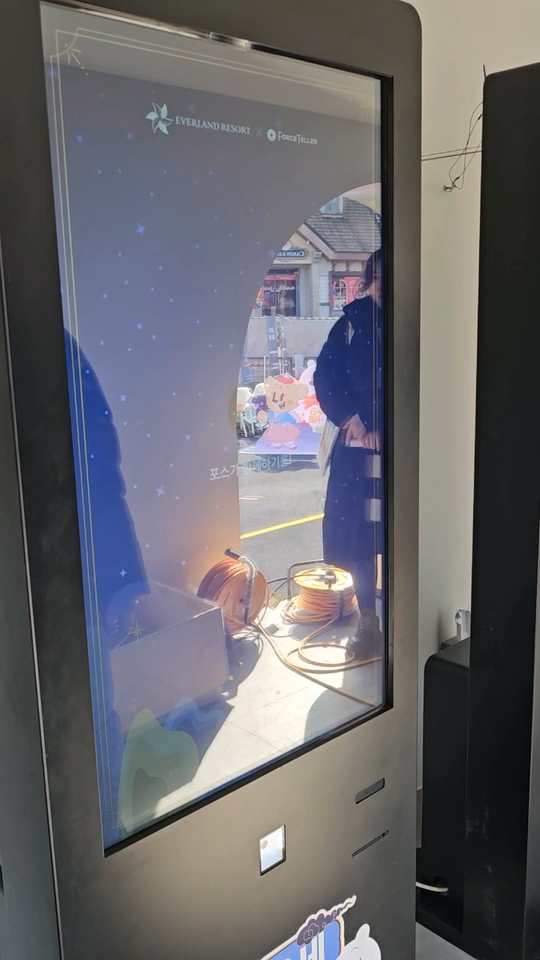
Five kiosks for Everland Fortune Market had passed office functional QA, but field QA revealed that up to 30 seconds of post-print screen dwell could compound into a queue.

As the on-site lead, I aligned immediately with design and engineering, changed the flow to return Home after printing, and completed implementation and re-QA within one hour. Across 28 days, the dashboard recorded 15,128 cumulative daily users and 52,027 completed prints.

04

Decision Loop

Turned data reviews into the next resource-allocation decision.

Weekly data reviews, survey analysis, and post-launch reports informed the next iteration. We distinguished a strong period from a validated hypothesis, then decided what to scale, revise, or stop.

Operating PMO is not project tracking. It is the system that turns business choices into execution and execution into learning.

AI Transformation (AX)

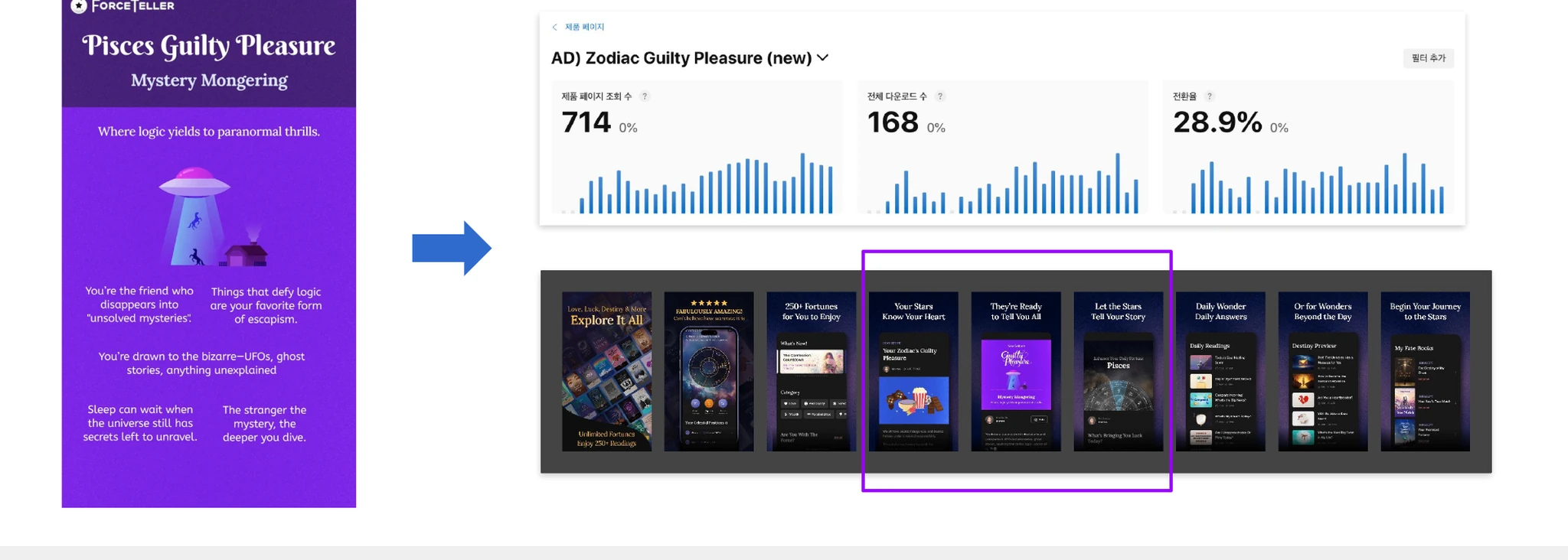
Automated performance-ad production from research to execution

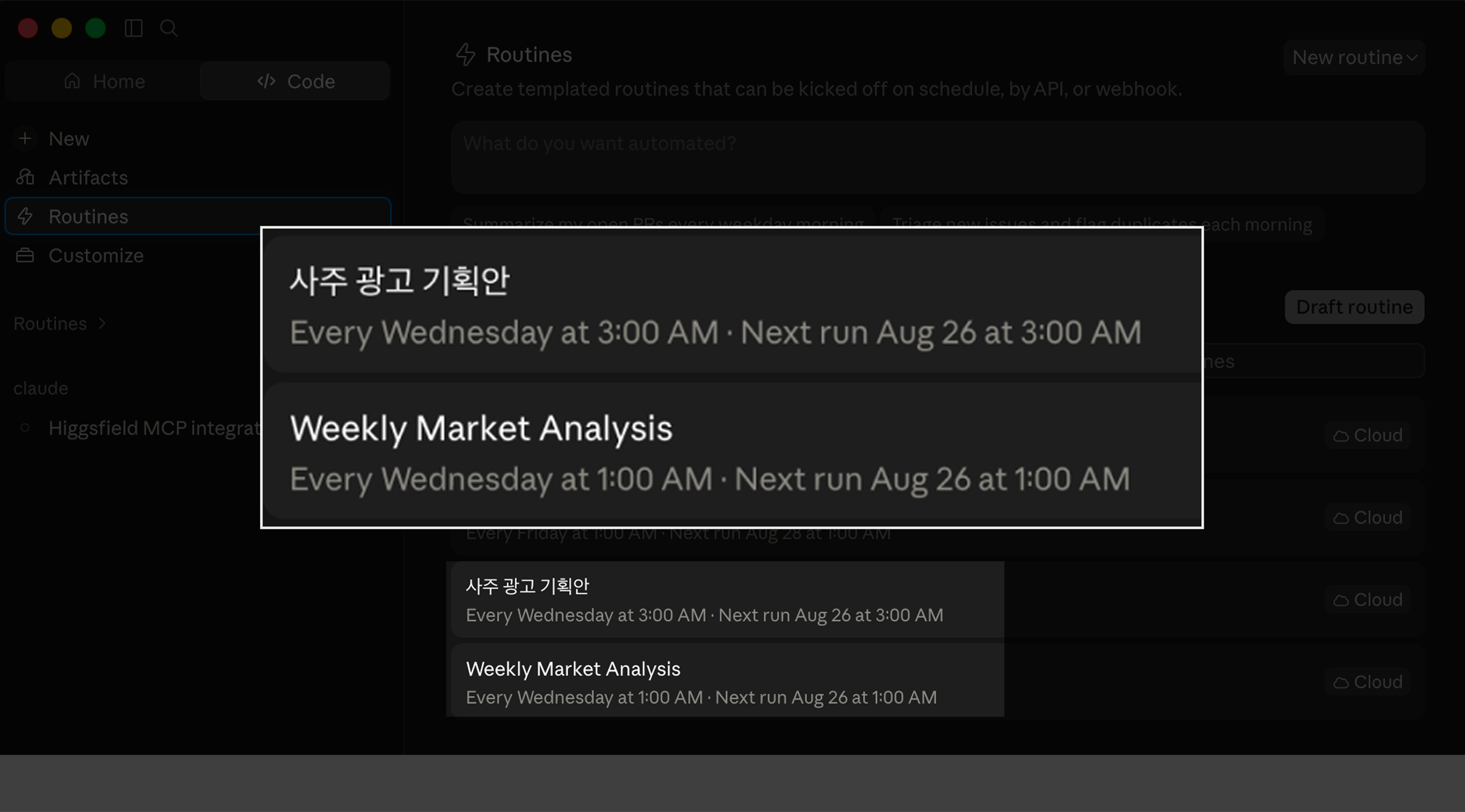
I redesigned the full performance-ad image workflow through AX. Claude Code and Notion now connect competitor research, marketing analysis, ad planning, and production prompts in an unattended weekly system that has been in live use for six months.
Research automation
Weekly

Weekly competitor research and marketing analysis

Planning automation
Notion

Turn Notion analysis into production inputs

Ad briefs
6 per week

Including production-ready generation prompts

Live operation
6 months

Applied across the performance-ad image workflow

01

Full Automation

Made research flow into planning and production inputs without manual handoffs.

Each week, a Claude Code workflow reviews competitor advertising and market signals, translates patterns into marketing analysis, and records the findings in Notion.

It then reads the accumulated analysis, generates six advertising briefs and production-ready image prompts, and connects them to the same Notion database.

  • Continuous automation from competitor research to analysis, ad planning, and generation prompts
  • A scheduled weekly operating rhythm
  • Planning evidence and production inputs accumulated together in Notion
02

Agent Portfolio

Expanded role-specific agents into one execution system.

Beyond advertising automation, I built agents for meeting notes, data analysis, and strategic planning. Each agent owns a defined role and output format so records, interpretation, and planning become inputs for the next task.

The result is an operating portfolio of agents that connects recurring work instead of a collection of isolated AI tools.

03

Business Outcome

Measured AX by revenue contribution, not only time saved.

The goal was not productivity alone. Competitor shifts and data analysis inform weekly advertising hypotheses and creative production, while campaign results feed the next strategy and planning cycle.

This experience turned AX into a business operating system connecting analysis, decisions, production, and revenue outcomes.

AX is not just a faster way to finish work. It is an operating system that connects better business judgment to execution and revenue.

Closing

Beyond managing projects, I build the system an organization uses to decide and deliver.

My expertise is connecting cross-functional priorities, resources, milestones, risks, and performance metrics in one operating system.

01

Portfolio Governance

Connect distributed projects through shared priorities and decision rights.

02

Executive Communication

Structure status and issues around the decisions leaders need to make.

03

Cross-functional Delivery

Coordinate dependencies and risks so teams can complete delivery together.

A cross-functional PMO leader who began in design and product delivery, then expanded into connecting priorities, resources, milestones, and performance in one operating system.